
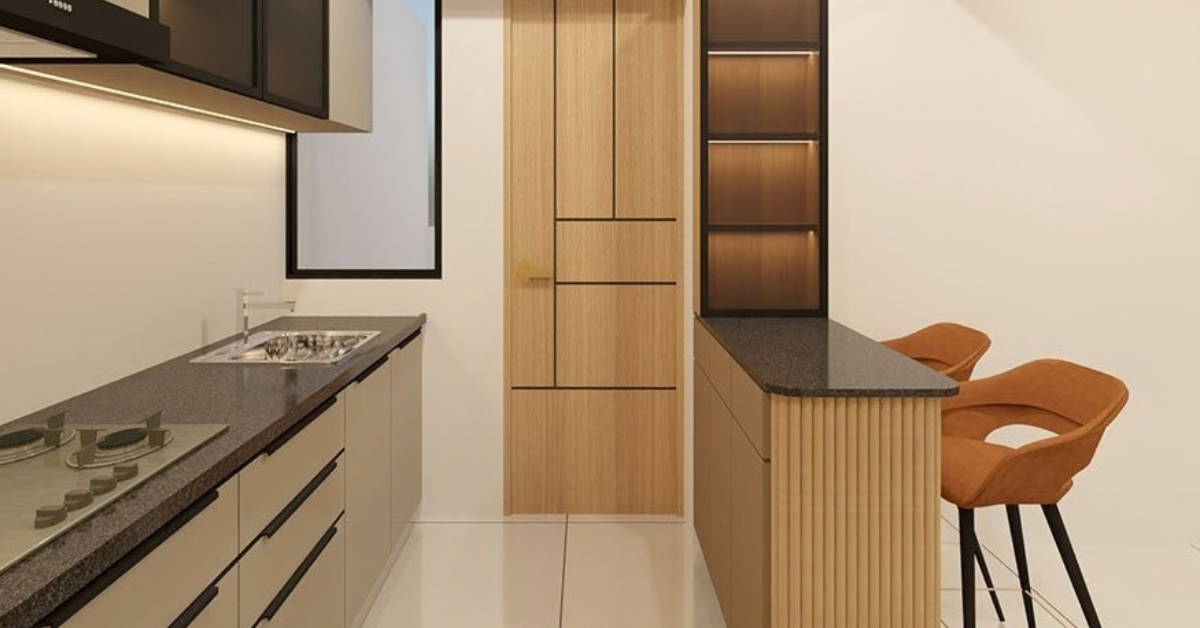
A modular kitchen isn’t just another home improvement project. It’s the place where daily activities take place and small family events happen without much noise. The materials you choose will affect how that space works over time. If you’re thinking about a Modular kitchen design in Ahmedabad, the choice is even more important because heat, humidity and heavy cooking are all part of daily life.
This guide explains the main materials used in modular kitchens, so you can make a smart choice and avoid making expensive mistakes later.
Why Material Selection Matters in Modular Kitchens?
Planning the materials is the first step in a smart Modular kitchen design in Ahmedabad. Hundreds of times a week, people open and close cabinets. Countertops deal with heat, spills and sharp tools every day. So, strength and resistance to moisture are more important than you might think.
At the same time, it should be easy to keep up with. No one wants cabinets that get bigger during the monsoon or surfaces that stain easily. That’s where help comes in. A reliable Home Interior Designer in Ahmedabad can help you choose the best options for your kitchen based on how you use it. This way, the design fits your life instead of just following trends.
Common Materials Used in Modular Kitchens
Let’s make this easy. Here are the materials that most homeowners think about and what they really do.
1. Plywood
Plywood is still a good choice. It is made by gluing together thin layers of wood, which makes it stronger.
Marine plywood is great for places with a lot of moisture. Because of this, a lot of homeowners pick it for their base cabinets. Also, it goes well with laminates and veneers. If you want something that will last without spending too much, plywood is a good choice.
2. Medium Density Fibreboard (MDF)
MDF makes things smooth and shiny. It works great for shutters and decorative panels that have been painted.
It doesn’t handle moisture as well as plywood, though. So it works better in dry areas or on top of cabinets. Sealing it correctly makes it last a lot longer.
3. High-Density, High-Moisture-Resistant Board (HDHMR)
HDHMR boards are denser and better at keeping moisture out. They last longer and are stronger than MDF.
Because of this, they are good for both wall and base cabinets. They also keep termites away. If you care about long-term performance, you should really think about HDHMR.
4. Particle Board
Particle board is cheaper and works well in kitchens that don’t get a lot of use. People often use it in rental homes or kitchens that aren’t their main ones.
That said, it does not do well with moisture. Designers usually only put it in dry areas because of this. Smart placement keeps things from breaking.
5. Steel
Stainless steel doesn’t mind water or heat at all. It feels new and clean.
It may not be as warm as wood, but it’s good for homes that cook a lot every day. It also makes cleaning quick and easy.
6. Countertops made of natural stone and quartz
The most stress is on the countertops. Granite has natural patterns and can withstand high temperatures.
Quartz, on the other hand, has a smooth, non-porous surface. It needs less care. If you install both options correctly, they will both work well.
Final Thoughts
The materials you choose will affect how your kitchen feels for years. So, don’t rush. Ask questions. Take a look at what you do every day.
Montdor Interior Pvt Ltd makes kitchens that are both stylish and long-lasting, so if you need professional help, they can help. Your kitchen can really work for you if you use the right materials, plan it out carefully and do it right.